
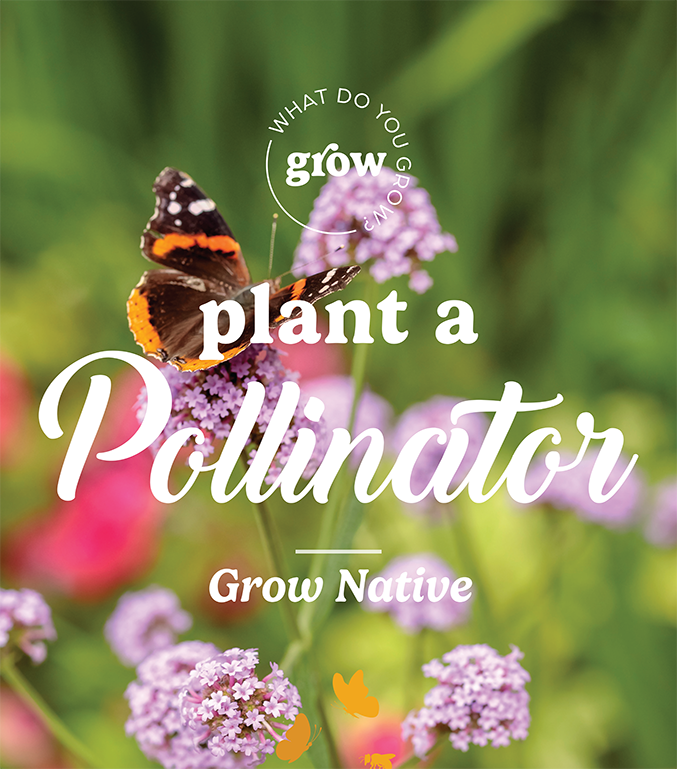
Pollinators like bees, butterflies, and hummingbirds do more than just visit flowers—they rely on a well-rounded habitat to thrive. While colorful blooms are essential, a truly supportive pollinator environment also includes water sources, shelter, and a variety of plants that provide nectar and pollen throughout the seasons. Here’s how you can build a pollinator-friendly space that offers year-round support.
1. Water: The Essential Element
Just like us, pollinators need water to survive. A reliable water source ensures they stay hydrated and can regulate their body temperature, especially during the hot summer months. Try these simple ways to provide water:
- Shallow Dishes or Puddling Stations – A shallow dish filled with water and a few flat stones gives butterflies and bees a safe place to land and drink.
- Mud Puddles – Butterflies use muddy areas to extract essential minerals. Leave a damp patch in your garden for them to enjoy.
- Birdbaths & Dripping Water – A gently dripping hose or a small birdbath with sloped edges serves as an excellent water source for a variety of pollinators.
2. Shelter: A Safe Haven
Pollinators need protection from predators and harsh weather conditions. Providing shelter helps sustain their populations and encourages them to nest nearby.
- Native Grasses & Dense Shrubs – Clumps of native grasses and thick shrubs offer cover for butterflies and moths to rest.
- Bee Hotels & Hollow Stems – Solitary bees, such as mason bees, seek out hollow stems and small crevices to nest in. Consider leaving some standing plant stalks or installing a bee hotel.
- Leaf Litter & Logs – Many pollinators overwinter in leaf litter, brush piles, or logs. Avoid excessive yard cleanups in the fall to preserve their habitat.
3. Bloom Succession: Flowers for Every Season
To keep pollinators well-fed throughout the year, plant a variety of nectar-rich flowers that bloom in different seasons.
- Spring Bloomers – Crocus, native violets, and lungwort provide early nectar sources.
- Summer Favorites – Coneflowers, bee balm, and milkweed are peak-season powerhouses for bees and butterflies.
- Fall & Late Bloomers – Goldenrod and asters supply nectar when other flowers fade, helping pollinators prepare for winter.
- Winter Considerations – While flowers may not bloom, leaving dried seed heads and plant stalks in your garden offers a food source for birds and overwintering insects.
By combining water, shelter, and bloom succession, you can create a thriving pollinator habitat that supports these vital creatures year-round. Ready to start planting? Visit Town and Country Nurseries for a great selection of pollinator-friendly plants, or download our app for exclusive offers and gardening tips!
📲 Download our app here: https://apjl.app/towncountry
