
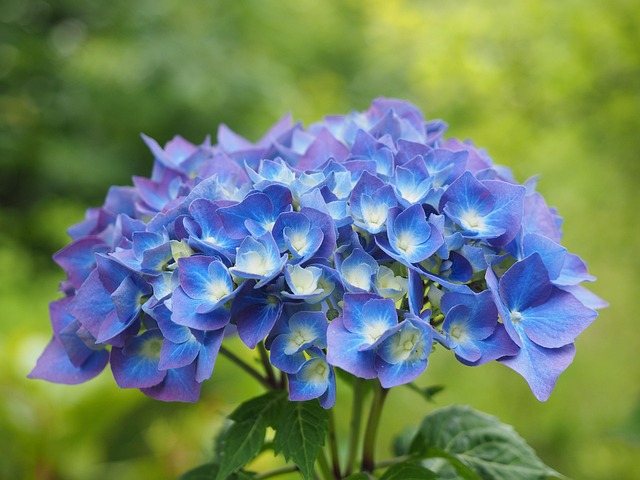
Few garden disappointments are more frustrating than a healthy hydrangea that refuses to bloom. The leaves look great, the plant seems happy, but the flowers never appear. The good news is that most hydrangea blooming problems can be traced to a few common causes, and many have simple solutions.
If your hydrangea is all leaves and no flowers, here are the most likely reasons why.
Pruning at the Wrong Time
One of the biggest reasons hydrangeas fail to bloom is improper pruning.
Many hydrangeas form flower buds on old wood, meaning next year’s blooms are already developing shortly after the current season’s flowers fade. If you prune at the wrong time, you may accidentally remove those flower buds.
Common Signs
Healthy growth but few or no flowers
Plant was heavily pruned last fall, winter, or spring
Simple Fix
Learn which type of hydrangea you have before pruning. Some varieties bloom on old wood, while others bloom on new wood.
Winter Damage
Cold winter temperatures can damage flower buds before spring arrives.
This is especially common with bigleaf hydrangeas, where buds may be killed during harsh winters or by late spring frosts.
Common Signs
Healthy leaves emerge but no flowers develop
Plant experienced severe winter weather or late freezes
Simple Fix
Apply winter protection in colder climates and consider planting more cold hardy hydrangea varieties if winter damage is a recurring issue.
Too Much Shade
Hydrangeas generally prefer some sun, but excessive shade can reduce blooming.
Common Signs
Large, leafy plants with very few flowers
Plant located beneath dense tree cover or on the north side of structures
Simple Fix
Most hydrangeas perform best with morning sun and afternoon shade. If possible, increase sunlight exposure without placing the plant in intense all day heat.
Too Much Nitrogen
Nitrogen promotes leafy growth, but too much can come at the expense of flowers.
Common Signs
Dark green foliage
Rapid growth
Few blooms
Simple Fix
Use a balanced fertilizer and avoid excessive applications of high nitrogen lawn fertilizers near hydrangeas.
Your Hydrangea Type Matters
Not all hydrangeas bloom the same way.
Some varieties are naturally more reliable bloomers than others.
Bigleaf Hydrangeas
Beautiful blooms but can be sensitive to winter damage and improper pruning.
Panicle Hydrangeas
Among the most reliable bloomers and bloom on new wood.
Smooth Hydrangeas
Dependable bloomers that also flower on new wood.
Oakleaf Hydrangeas
Known for beautiful flowers and outstanding fall foliage.
Mountain Hydrangeas
Often more cold tolerant than traditional bigleaf varieties.
Knowing which hydrangea you have helps determine the best care strategy.
Other Factors That Can Reduce Blooms
Young plants may take a year or two to establish before flowering heavily.
Drought stress can reduce flower production.
Poor soil conditions may affect overall plant performance.
Keeping plants healthy with proper watering, mulching, and fertilization helps maximize blooming potential.
Tips for More Hydrangea Blooms
Choose the right hydrangea for your growing conditions
Avoid unnecessary pruning
Protect flower buds from winter damage
Provide the proper amount of sunlight
Use fertilizer appropriately
Water consistently during dry periods
FAQs About Hydrangea Bloom Problems
Why does my hydrangea have leaves but no flowers?
The most common causes are improper pruning, winter damage, too much shade, or excessive nitrogen.
Can I prune my hydrangea in spring?
It depends on the variety. Some hydrangeas bloom on old wood and should not be heavily pruned in spring.
Which hydrangeas bloom most reliably?
Panicle and smooth hydrangeas are often the most dependable bloomers.
Does fertilizer affect blooming?
Yes. Too much nitrogen encourages leaves instead of flowers.
Can hydrangeas recover after a year without blooms?
Absolutely. Once the underlying issue is corrected, many hydrangeas return to normal flowering.
Visit Your Local Garden Center
If your hydrangea is not blooming the way you expected, stop by with a photo or questions. Choosing the right variety and understanding its care requirements can make all the difference.
With the right plant and a few simple adjustments, you’ll be enjoying beautiful hydrangea blooms season after season.
