
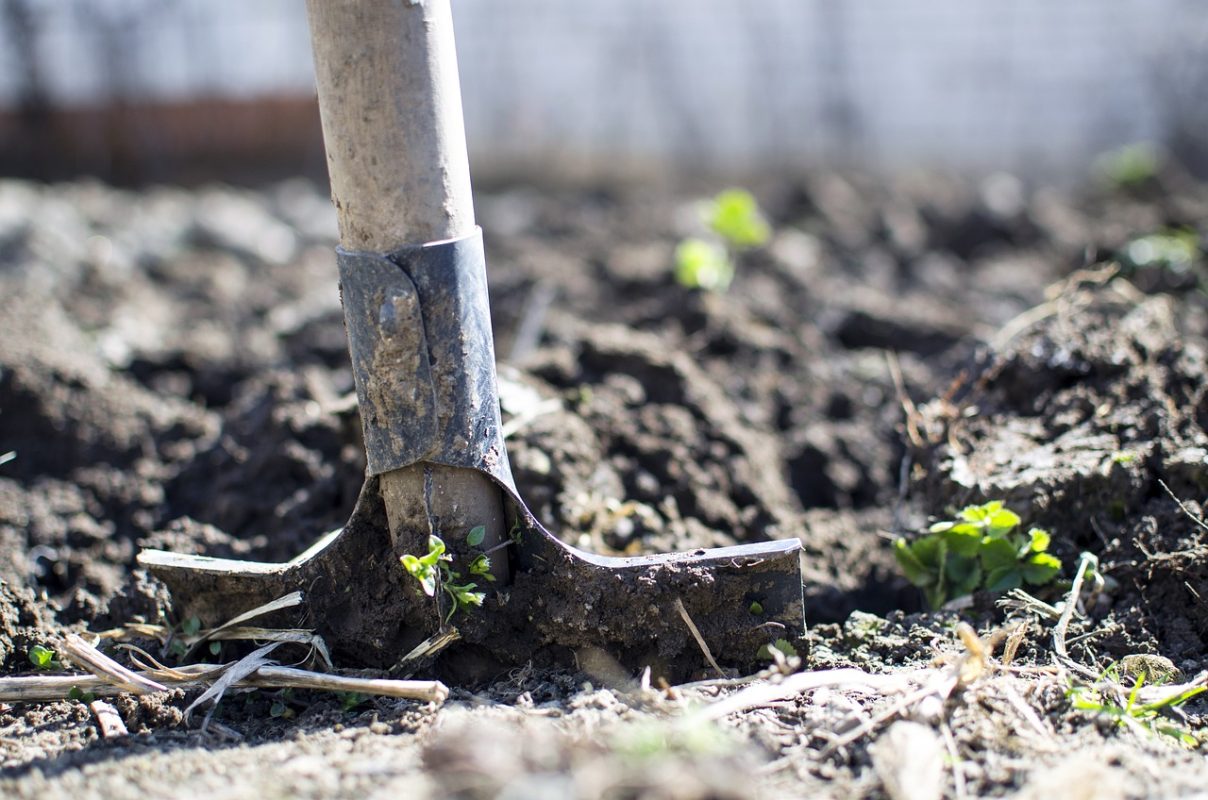
Creating a healthy and productive garden bed is essential for establishing a thriving pollinator garden. Whether you choose a traditional garden bed or opt for a raised bed, the key lies in improving soil quality and adopting regenerative gardening techniques. In this article, we will guide you through building your garden bed and enhancing the soil to support a vibrant habitat for pollinators.
Building Your Garden Bed
- Choosing the Location: Select a sunny spot that receives at least six hours of direct sunlight each day. Ensure the area has good drainage to prevent waterlogging.
- Initial Soil Preparation: Start by removing any existing grass or weeds. This reduces competition for nutrients and water, giving your new plants a better start.
- Layering for Regenerative Benefits:
- Base Layer: Begin with a layer of twigs, branches, and other organic material at the bottom. This forms the base of a hugelkultur system, enhancing soil structure and moisture retention as it decomposes.
- Flipping the Sod: If you removed sod from this area, place it upside down on top of the base layer. This helps it break down and enrich the soil with organic matter.
- Adding Quality Soil: Fill the bed with a mix of loamy and peaty soil. This type of soil provides good drainage, aeration, and nutrient content, ideal for supporting plant growth.
- Incorporating Mycorrhizae: Before planting, mix mycorrhizae with water in a bucket and dip the roots of your plants into the solution. This ensures the beneficial fungi are in direct contact with the roots, promoting better nutrient uptake and plant health.
Planting Techniques
- Choosing Pollinator-Friendly Plants: Select a variety of native flowering plants, herbs, and shrubs that attract pollinators. Ensure you have plants that bloom at different times to provide a continuous food source.
- Planting Depth and Spacing: Follow the recommended planting depth and spacing for each plant type. Proper spacing ensures adequate airflow and reduces the risk of disease.
- Watering: Water the plants thoroughly after planting to help them establish. Maintain regular watering, especially during dry periods, to support healthy growth.
Maintaining Soil Health
- Mulching: Add a layer of organic mulch, such as straw, wood chips, or leaves, to help retain moisture, suppress weeds, and gradually improve soil quality as it decomposes.
- Fertilizing: Use organic fertilizers to provide essential nutrients. Fish emulsion, compost, and bone meal are excellent choices for maintaining soil fertility and supporting plant growth.
Building a garden bed and improving the soil with regenerative gardening techniques sets the foundation for a thriving pollinator garden. By following these steps, you’ll create a healthy, productive environment that supports pollinators and enhances your garden’s biodiversity. In our next article, we’ll discuss selecting and planting pollinator-friendly plants.
Next – Selecting and planting pollinator friendly plants >
