
Choosing the right plants for your pollinator garden is crucial for attracting and supporting a diverse range of beneficial insects. In this article, we will guide you through selecting pollinator-friendly plants, including host plants for caterpillars, and provide tips on planting and arranging them for maximum impact.
Choosing Pollinator-Friendly Plants
- Native Plants: Native plants are adapted to your local climate and soil conditions, making them an excellent choice for a pollinator garden. They provide familiar food sources for local pollinators and require less maintenance.
- Diversity of Blooms: Select a variety of plants that bloom at different times throughout the growing season to ensure a continuous food supply for pollinators. Aim for a mix of early, mid, and late-season bloomers.
- Color and Flower Shape: Pollinators are attracted to different colors and shapes. Bees prefer blue, purple, and yellow flowers, while butterflies are drawn to bright reds and oranges. Include a mix of colors and flower shapes to attract a variety of pollinators.
- Host Plants for Caterpillars: Include host plants that caterpillars can feed on, ensuring the life cycle of butterflies and moths is supported. Common host plants include milkweed for monarch butterflies and parsley or dill for swallowtail butterflies.
Recommended Plants for Pollinator Gardens
- Perennials: Coneflowers (Echinacea), Bee Balm (Monarda), Milkweed (Asclepias), Black-eyed Susan (Rudbeckia), Sedum, and Asters.
- Annuals: Marigolds, Zinnias, Cosmos, and Sunflowers.
- Herbs: Lavender, Thyme, Rosemary, and Mint.
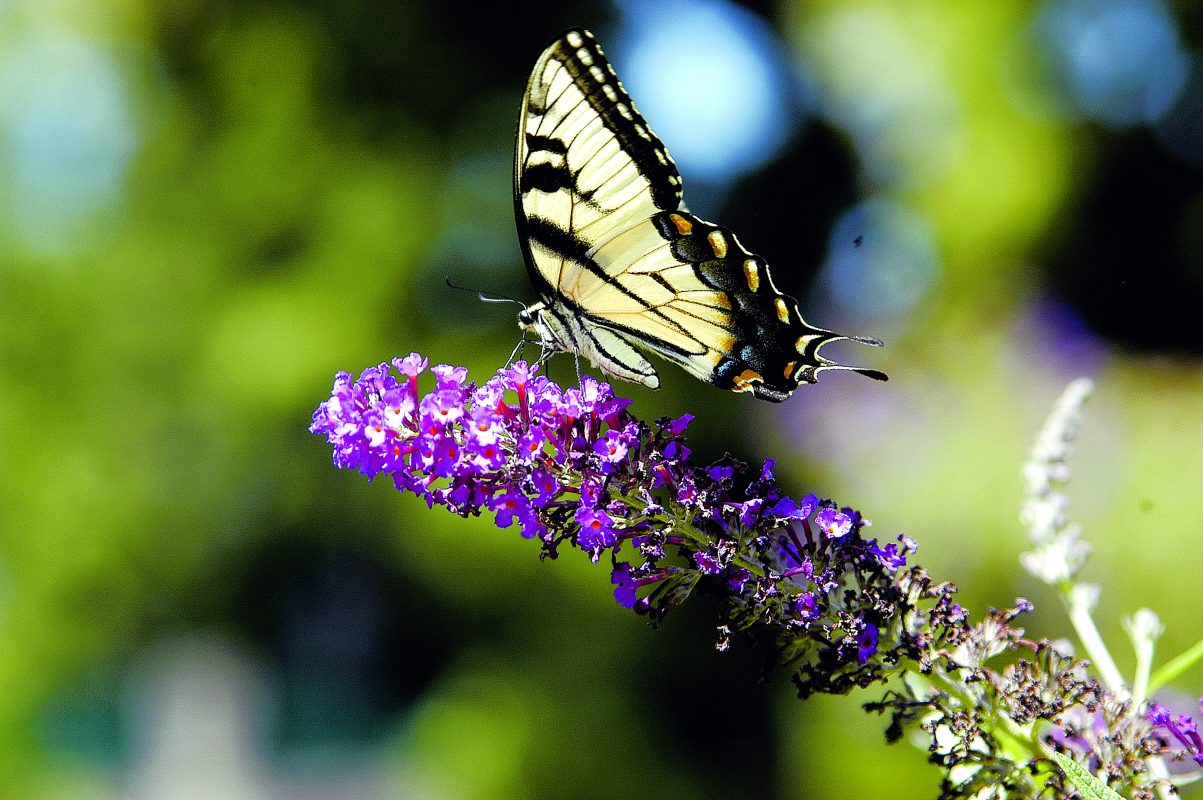
- Shrubs and Trees: Butterfly Bush (Buddleia), Rose of Sharon (Hibiscus syriacus), and Serviceberry (Amelanchier).
- Host Plants: Milkweed (Asclepias) for monarch butterflies, Dill, Parsley, and Fennel for swallowtail butterflies, and Pussy Willow (Salix) for various moth species.
Planting Techniques
- Preparing the Soil: Ensure your garden bed is filled with the prepared soil mix and has good drainage. If needed, amend the soil with compost or other organic matter to improve fertility.
- Planting Depth and Spacing: Follow the recommended planting depth and spacing for each plant type. Proper spacing ensures adequate airflow and reduces the risk of disease.
- Watering and Mycorrhizae: Before planting, dip the plant roots in a mycorrhizal solution to promote healthy root development. Water the plants thoroughly after planting to help them establish.
Arranging Your Plants
- Grouping Plants: Arrange plants in clusters or groups rather than single rows. This makes it easier for pollinators to find and utilize the flowers.
- Layering Heights: Place taller plants towards the back or center of the bed and shorter plants towards the front or edges. This creates a visually appealing layout and ensures all plants get adequate sunlight.
- Succession Planting: Plan for succession planting by including both annuals and perennials. As some plants finish blooming, others will take their place, ensuring continuous blooms throughout the season.
Watering and Mulching
- Regular Watering: Keep the soil consistently moist, especially during dry spells. New plantings need regular watering until they establish strong root systems.
- Mulching: Apply a layer of organic mulch around the plants to retain moisture, suppress weeds, and improve soil quality over time. Mulch also helps regulate soil temperature, protecting plant roots.
Selecting and planting a diverse array of pollinator-friendly plants, including host plants for caterpillars, is key to creating a thriving pollinator garden. By choosing the right plants, arranging them thoughtfully, and providing proper care, you’ll create a vibrant and welcoming habitat for pollinators. In our next article, we’ll discuss maintaining and fertilizing your pollinator garden to keep it healthy and productive.
Next – Maintaining and feeding your pollinator garden >
