
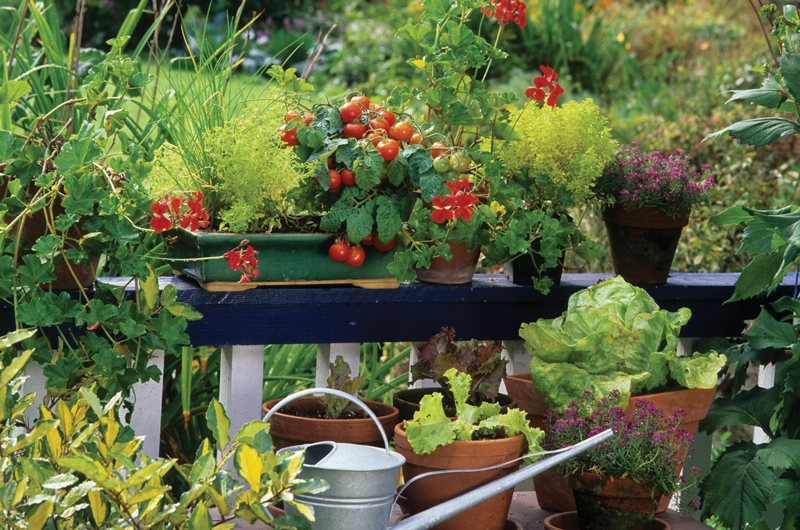
A successful garden does not start in the soil. It starts with a plan.
Taking time now to map out your edible garden for 2026 can save time, reduce frustration, and lead to a more productive and enjoyable growing season. Whether you are working with a few containers or a full backyard garden, a thoughtful plan makes all the difference.
At Town & Country Nurseries, we help gardeners turn ideas into thriving, productive spaces.
Start with a Simple Garden Map
Before planting anything, sketch out your space. This does not need to be perfect. A simple layout helps you visualize where everything will go and ensures plants have enough room to grow.
Think about:
- Sun exposure throughout the day
- Access to water
- Space for walking paths
- Plant spacing and mature size
Even a basic hand drawn sketch can prevent overcrowding and improve overall plant health.
Layout Sketch Ideas
Here are a few beginner friendly layout concepts:
Raised Bed Grid
Divide beds into squares or sections for easy planting and organization. Great for small spaces and beginners.
Row Garden
Traditional rows work well for larger areas and make it easy to manage crops like beans, lettuce, and carrots.
Mixed Garden Beds
Combine vegetables, herbs, and flowers together for a more natural look and improved pollination.
Plan for Crop Rotation
Planting the same crops in the same spot every year can lead to soil depletion and pest issues.
Crop rotation helps keep your soil balanced and reduces disease buildup.
Simple rotation example
- Year 1: Leafy greens
- Year 2: Fruit producing plants like tomatoes and peppers
- Year 3: Root crops like carrots and beets
Then repeat the cycle in a new location.
Use Succession Planting for Continuous Harvest
Instead of planting everything at once, stagger your planting times to keep your garden producing longer.
For example:
- Plant lettuce every two weeks for a steady harvest
- Follow early crops like spinach with warm season crops
- Replant quick growers like radishes after each harvest
This keeps your garden active and productive throughout the season.
Companion Planting Made Simple
Some plants grow better together. Companion planting can improve growth, deter pests, and make better use of your space.
Easy combinations to try
- Tomatoes and basil
- Carrots and onions
- Lettuce and radishes
Start simple and build from there as you learn what works best in your garden.
Soil Preparation Checklist
Healthy soil is the foundation of a productive edible garden.
Before planting, take time to prepare your soil properly:
- Loosen soil to improve root growth
- Add compost or organic matter
- Check drainage and adjust if needed
- Mix in a balanced fertilizer for nutrients
- Remove weeds and debris
Good soil preparation sets the stage for everything that follows.
Beginner Crops That Deliver Results
If you are new to edible gardening, start with crops that are easy to grow and quick to harvest.
Great beginner options
- Lettuce
- Radishes
- Green beans
- Zucchini
- Herbs like basil and parsley
These crops build confidence and help you learn the basics without frustration.
From Plan to Planting
Once your plan is in place, planting becomes easier and more enjoyable. You will know where everything goes, what to expect, and how to keep your garden producing.
Gardening is not about perfection. It is about learning, adjusting, and growing each season.
If you are ready to start planning your 2026 edible garden, visit Town & Country Nurseries or call (860) 345-8581. We are here to help you choose the right plants, soil, and supplies for a successful season.
FAQ
When should I start planning my vegetable garden
Planning can begin anytime, but late winter and early spring are ideal for mapping out your garden before planting season begins.
What is crop rotation and why is it important
Crop rotation is the practice of changing where you plant certain crops each year to improve soil health and reduce pests and disease.
What is succession planting
Succession planting means planting crops in stages rather than all at once so you can enjoy a continuous harvest throughout the season.
Do I need to test my soil before planting
It is helpful but not required. Adding compost and organic matter is a great way to improve most soils.
What vegetables are easiest for beginners
Lettuce, radishes, beans, zucchini, and herbs are some of the easiest and most rewarding crops to start with.
