
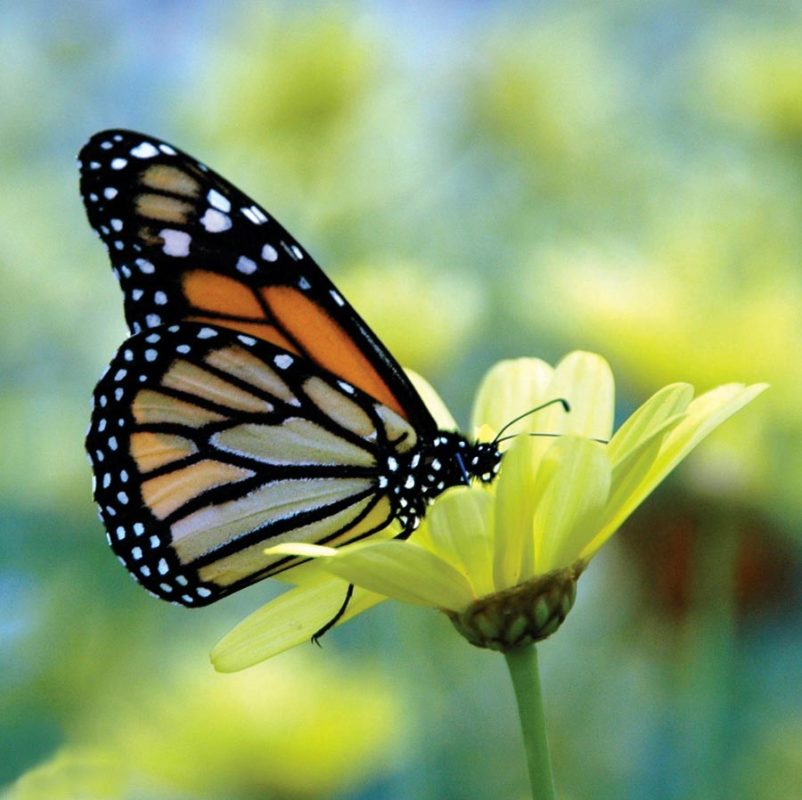
Creating a pollinator garden is more than picking a few flowers. It is about building a space that supports bees, butterflies, and other beneficial wildlife from early spring through fall.
With a little planning, your garden can become a living, active habitat that looks beautiful and plays an important role in the local ecosystem.
Start With a Simple Plan
Think of your garden as a small ecosystem. Pollinators need more than nectar. They need shelter, water, and a steady food source throughout the season.
Focus on:
- A mix of early, mid, and late blooming plants
- Groupings of the same plant for easy feeding
- Sunny locations with some wind protection
Choose Plants That Do the Work
Pollinators are drawn to certain shapes, colors, and scents. Native and well adapted plants tend to perform best.
Consider adding:
- Coneflower, black eyed Susan, and bee balm for summer color
- Salvia and lavender for long lasting blooms
- Milkweed to support monarch butterflies
- Asters and goldenrod for late season feeding
Plant in clusters rather than scattering individual plants. This makes it easier for pollinators to find and use your garden.
Add the Missing Pieces
A true pollinator garden includes more than plants.
- Water source such as a shallow dish with stones
- Shelter like shrubs, grasses, or small brush areas
- Avoid pesticides which can harm beneficial insects
Even a small space can provide everything pollinators need.
Keep It Going All Season
Deadhead spent blooms to encourage more flowers. Leave some seed heads in late fall to provide food and habitat.
Do not rush to clean everything up. A slightly natural look helps support overwintering pollinators.
Visit Us
Stop in and let our team help you design a pollinator garden that works for your space. From plant selection to layout ideas, we are here to help you create a garden that is both beautiful and beneficial.
FAQs
Do I need a large space for a pollinator garden
No. Even containers or small beds can support pollinators when planted thoughtfully.
Are native plants required
They are highly recommended because they are best suited to local pollinators.
When should I start planting
Spring is ideal, but you can build and expand your garden throughout the growing season.
Will pollinator gardens look messy
Not at all. With good planning, they can be colorful, structured, and full of life.
How quickly will pollinators show up
Often within days of planting, especially once blooms begin to open.
Town and Country Nurseries
1036 Saybrook Road
Haddam, CT 06438
Hours
Monday to Saturday 9 am to 5 pm
Sunday 9 am to 4 pm
Build more than a garden this season. Create a space that gives back and brings your landscape to life.
