
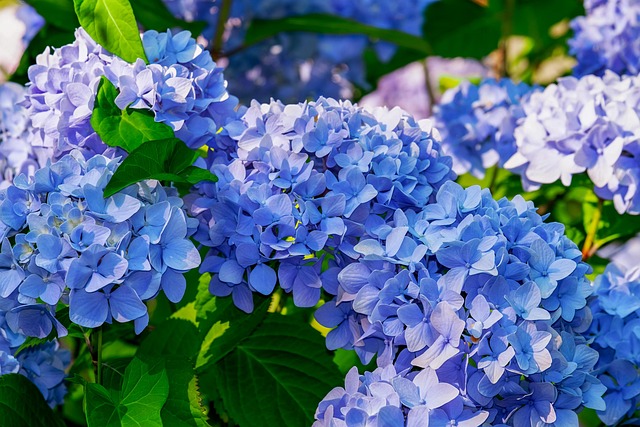
Hydrangeas are among the most beloved shrubs in the garden, offering spectacular blooms that brighten landscapes from early summer into fall. But even healthy plants can experience faded flowers, drooping stems, or disappointing bloom seasons.
The good news is that most hydrangea problems have simple solutions. With proper watering, pruning, and seasonal care, you can keep your hydrangeas looking their best year after year.
Why Do Hydrangea Blooms Fade?
As blooms mature, it’s completely normal for flower colors to soften or change.
Some varieties naturally transition from bright blues, pinks, or whites to shades of green, burgundy, or antique rose as the season progresses. While faded blooms may look past their peak, they often continue adding beauty and texture to the garden.
Removing old blooms can also encourage a cleaner appearance and, for some reblooming varieties, additional flowers later in the season.
Why Are My Hydrangeas Flopping?
Large flower heads combined with heavy summer rain can cause stems to bend or flop.
To help support stronger plants:
- Water deeply instead of lightly every day.
- Avoid excessive nitrogen fertilizer, which encourages weak, leafy growth.
- Give plants enough room for good air circulation.
- Use discreet plant supports if needed for large blooms.
Choosing sturdy varieties can also reduce flopping in future seasons.
Water the Right Way
Hydrangeas prefer consistently moist soil, especially during hot summer weather.
For healthier plants:
- Water deeply one or two times per week.
- Water at the base of the plant.
- Apply mulch to help retain moisture.
- Avoid allowing plants to completely dry out between waterings.
Deep watering encourages stronger roots and healthier blooms.
Be Careful When Pruning
One of the biggest mistakes gardeners make is pruning at the wrong time.
Some hydrangeas bloom on old wood, meaning they develop next year’s flower buds during the current growing season. Pruning these varieties in late summer, fall, winter, or spring can remove next year’s blooms.
Other hydrangeas bloom on new wood and can safely be pruned in late winter or early spring.
Before pruning, identify which type of hydrangea you have.
Why Isn’t My Hydrangea Blooming?
If your hydrangea has plenty of leaves but no flowers, several factors could be responsible.
Common causes include:
- Pruning at the wrong time
- Winter damage to flower buds
- Too much shade
- Excess nitrogen fertilizer
- Young plants that are still becoming established
Most hydrangeas perform best with morning sun, afternoon shade, consistent moisture, and a balanced fertilizer.
Refresh Your Hydrangeas
Midseason is a great time to give hydrangeas a little extra attention.
Simple maintenance includes:
- Removing faded blooms when appropriate
- Watering deeply during dry weather
- Refreshing mulch
- Inspecting for insects or disease
- Avoiding unnecessary pruning
A little care now can help your shrubs stay attractive for the rest of the growing season.
Frequently Asked Questions
Should I remove faded hydrangea flowers?
Yes. Deadheading can improve the plant’s appearance, though some gardeners leave blooms for seasonal interest.
Why are my hydrangea blooms drooping?
Heavy flowers, rain, weak stems, or inconsistent watering are common causes.
How often should I water hydrangeas?
Deep watering once or twice a week is usually better than frequent shallow watering.
Can I prune my hydrangea in summer?
Only certain varieties should be pruned after flowering. Always identify your hydrangea type before pruning.
Why does my hydrangea have leaves but no flowers?
Improper pruning, winter damage, too much shade, excess nitrogen, or an immature plant are the most common reasons.
Visit Your Local Garden Center
Whether you’re choosing your first hydrangea or looking for advice on caring for established plants, your local garden center can help you select the right varieties, fertilizers, mulch, and gardening supplies to keep your hydrangeas healthy and blooming beautifully all season long.
