
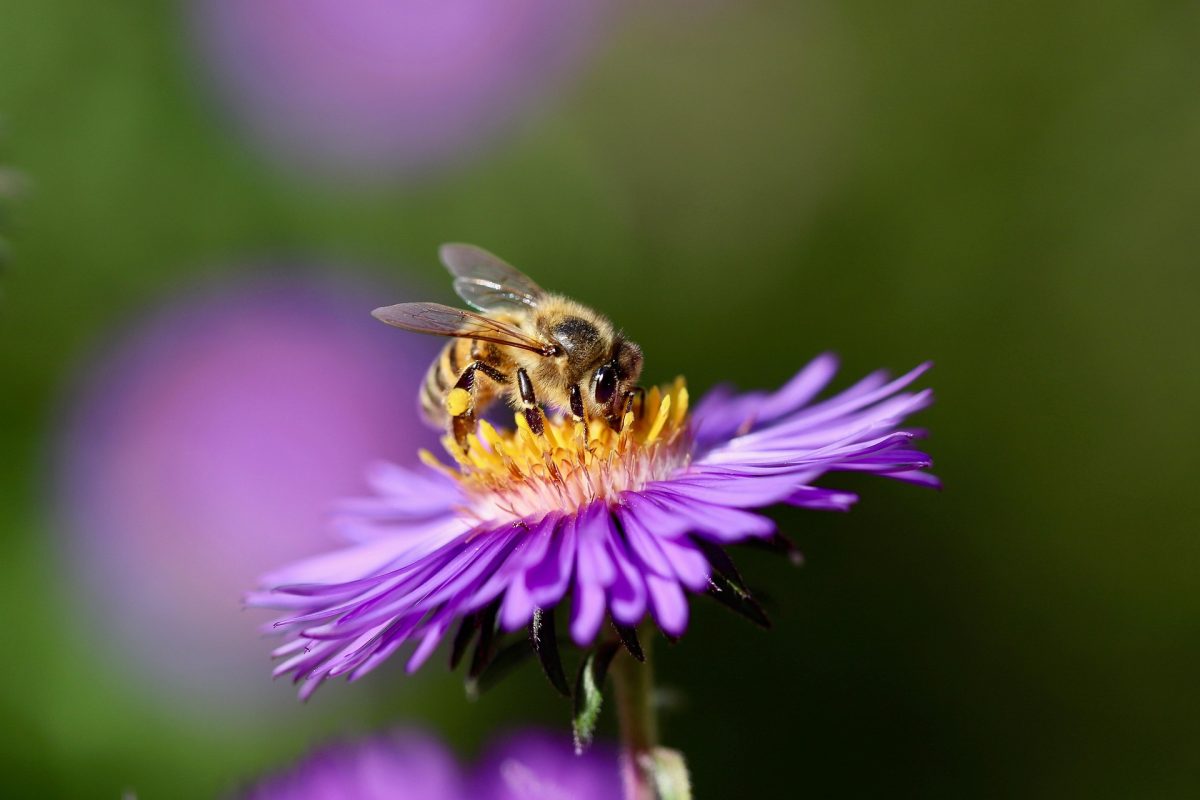
Summer may be winding down, but bees, butterflies, and other pollinators are still hard at work. As summer flowers begin to fade, late-blooming plants become increasingly important sources of nectar and pollen.
For Connecticut gardeners, keeping the landscape blooming into fall is a beautiful way to support pollinators while extending garden color well beyond summer.
Why Late-Season Flowers Matter
Pollinators still need reliable food sources as the seasons change. Bees continue foraging on warm fall days, while butterflies and other beneficial insects depend on late-season flowers as they prepare for colder weather or migration.
A fall pollinator garden can provide:
- Nectar and pollen when fewer plants are flowering
- Food for late-season bees and butterflies
- Seeds for birds as flowers mature
- Shelter and habitat for beneficial insects
- Beautiful color and texture in the fall landscape
Think of it as keeping the garden buffet open a little longer.
Plant Late-Blooming Perennials
Perennials are a great foundation for a pollinator-friendly fall garden because they return year after year.
Consider adding:
- Asters
- Goldenrod
- Sedum
- Black-Eyed Susans
- Joe Pye Weed
- Coneflowers
Combining plants with different bloom times helps ensure that something is available throughout the season.
Make Room for Native Plants
Native plants are especially valuable because they have long-standing relationships with local insects and wildlife.
Native asters, goldenrods, Joe Pye Weed, and Black-Eyed Susans can provide valuable late-season resources while fitting beautifully into Connecticut landscapes.
Pair them with ornamental grasses for a natural fall garden filled with color, movement, and texture.
Let Healthy Annuals Keep Blooming
Don’t be too quick to remove annuals just because September has arrived.
If zinnias, lantana, salvia, verbena, or other flowering annuals are still looking good, let them continue blooming. Regular deadheading can encourage some varieties to keep producing flowers until frost.
Every additional week of flowers helps extend the pollinator season.
Plant in Groups
Pollinators can more easily find flowers when several of the same plant are grouped together.
Planting in clusters also creates greater visual impact in the landscape. Combine several groupings of different late-season plants to provide a variety of flower shapes, colors, and bloom periods.
Leave Some Seed Heads Standing
When flowers fade, their usefulness isn’t necessarily over.
Leaving healthy seed heads on coneflowers, Black-Eyed Susans, asters, and other perennials can provide food for birds while adding winter interest.
Standing stems and plant material may also provide shelter and overwintering habitat for beneficial insects.
Don’t Make the Fall Garden Too Tidy
Fall cleanup doesn’t have to mean cutting everything to the ground.
Remove diseased or damaged plant material, but consider leaving healthy stems, seed heads, and ornamental grasses standing through winter.
A slightly less tidy garden can be much more welcoming to wildlife.
Frequently Asked Questions
What are some good fall flowers for pollinators?
Asters, goldenrod, sedum, Black-Eyed Susans, Joe Pye Weed, and coneflowers are excellent choices for extending the flowering season.
Should I remove my summer annuals in September?
Not if they’re healthy and still blooming. Let them continue providing nectar and color until colder weather ends their season.
Why are native plants important?
Native plants can provide valuable food and habitat for local bees, butterflies, and other wildlife.
Should I deadhead everything in fall?
No. Leaving some seed heads provides food for birds and adds winter interest to the landscape.
Can a small garden help pollinators?
Absolutely. Even a small perennial bed or a few containers filled with late-blooming plants can provide useful nectar and pollen.
Visit Town & Country Nurseries
Keep your garden colorful and buzzing into fall. Stop by Town & Country Nurseries for late-season perennials, fall color, and inspiration for creating a beautiful pollinator-friendly Connecticut garden.
Town & Country Nurseries
1036 Saybrook Road
Haddam, CT 06438
Fall Hours
Monday to Saturday: 9 AM to 5 PM
Sunday: 9 AM to 4 PM
