
Fall garden cleanup does not have to mean removing every leaf, stem and seed head. A few thoughtful choices can help your Connecticut landscape provide food, shelter and habitat for birds, pollinators and other beneficial wildlife throughout fall and winter.
At Town & Country Nurseries in Haddam, CT, fall is a great time to think about how your garden can continue working for nature even after the growing season slows down.
Leave Some Seed Heads for the Birds
Many flowering perennials develop seed heads after their blooms fade. Instead of cutting everything back immediately, consider leaving some healthy plants standing.
Certain seed heads can provide a natural food source for birds while also adding texture and interest to the winter garden.
Give Pollinators a Place to Overwinter
Beneficial insects need places to spend the colder months, too. Hollow and standing plant stems, leaf litter and other natural garden material can provide overwintering habitat for some insects.
Leaving selected areas of the garden a little less tidy can create valuable shelter without making the entire landscape look neglected.
Put Fallen Leaves to Work
Before bagging every fallen leaf, consider using some in garden beds and naturalized areas.
Leaves can provide cover for insects and other small wildlife while gradually breaking down and returning organic matter to the soil. Avoid thick, matted layers that could smother lawns or smaller plants.
Add Plants That Provide Food and Shelter
Fall is also a good time to look at what your landscape offers throughout the year.
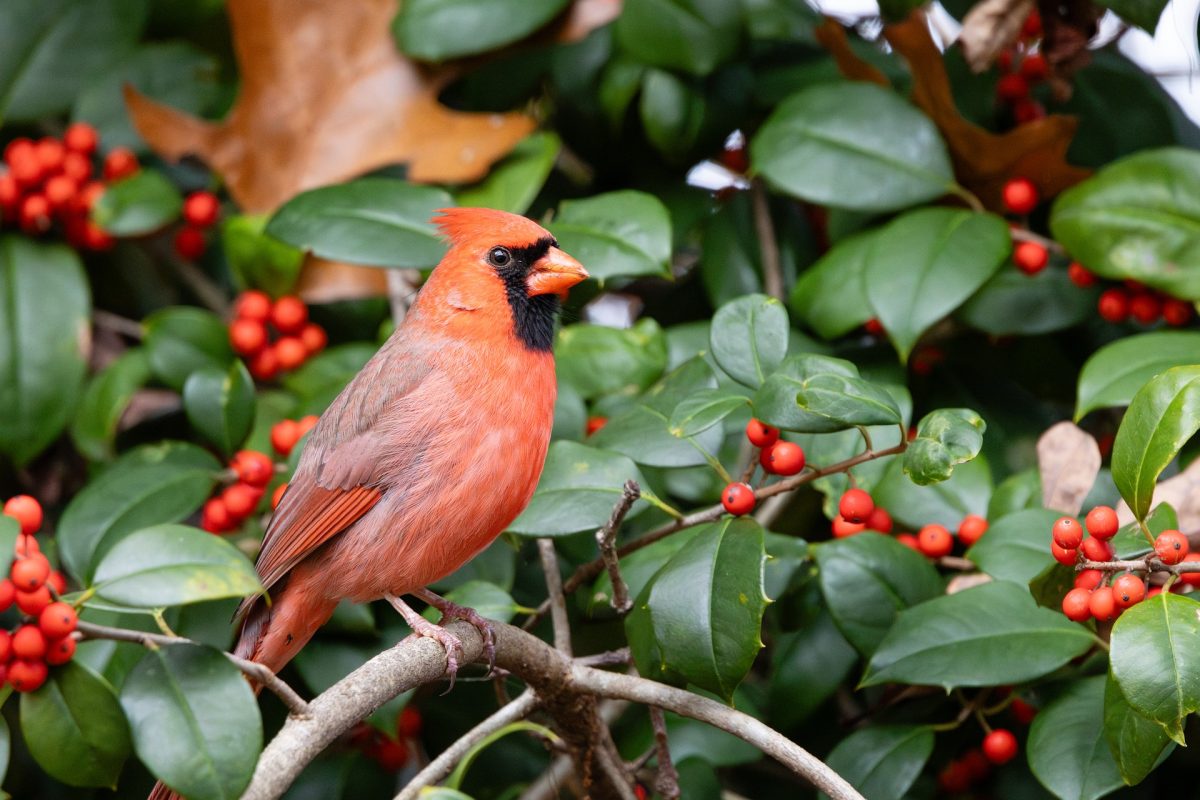
Native plants, berry-producing shrubs, evergreens, ornamental grasses and seed-producing perennials can all contribute to a more wildlife-friendly landscape. Evergreens and dense shrubs can provide valuable cover, while flowers, seeds and berries may provide food at different times of the year.
A diverse landscape with multiple types of plants can offer more opportunities for wildlife than a garden that relies on only a few species.
Keep Your Fall Cleanup Thoughtful
A wildlife-friendly garden does not mean skipping cleanup completely. Diseased or heavily damaged plant material should still be removed.
Instead, think about being selective. Leave useful seed heads and healthy stems, allow some leaves to remain where appropriate and save some perennial cleanup for spring.
Small changes can make your fall garden more welcoming to wildlife while giving you more to enjoy throughout the winter.
Fall Gardening for Wildlife FAQs
Should I leave perennials standing for winter?
Many healthy perennials can remain standing. Their stems and seed heads may provide food, shelter and winter interest.
Are fallen leaves good for wildlife?
Leaves can provide habitat for insects and other small creatures when left in appropriate garden areas.
What plants can help birds during fall and winter?
Plants with persistent berries or seeds can provide food, while evergreens and dense shrubs may offer shelter.
Do native plants help wildlife?
Native plants can provide important food and habitat for local insects, birds and other wildlife.
Should I stop cleaning up my garden completely?
No. A selective approach works well. Remove diseased material while leaving healthy plants and natural materials that can provide habitat.
Visit Town & Country Nurseries
Want to make your Connecticut garden more welcoming to birds, pollinators and beneficial wildlife? Visit Town & Country Nurseries in Haddam and let us help you choose plants for a beautiful, wildlife-friendly landscape.
Town & Country Nurseries
1036 Saybrook Road
Haddam, CT 06438
(860) 345-8581
Hours:
Monday through Saturday: 9 AM to 5 PM
Sunday: 9 AM to 4 PM
