
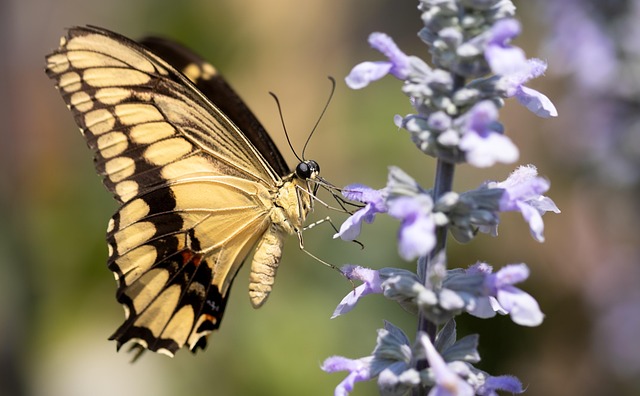
June is National Pollinator Month, making it the perfect time to celebrate the bees, butterflies, hummingbirds, and other beneficial creatures that help gardens thrive. Pollinators play a critical role in supporting flowers, fruits, vegetables, and healthy ecosystems, and even small changes in your landscape can make a big difference.
At Town & Country Nurseries, we’re passionate about helping gardeners create beautiful outdoor spaces that support local wildlife while adding color and interest throughout the season.
Why Pollinators Matter
Pollinators help transfer pollen from flower to flower, allowing plants to produce seeds, fruits, and vegetables.
Benefits of pollinators include:
Healthier flower gardens
Increased vegetable harvests
Support for local ecosystems
Greater biodiversity in your landscape
Creating a pollinator friendly garden helps both your plants and the environment.
Plant a Variety of Nectar Rich Flowers
The best pollinator gardens provide food throughout the growing season.
Choose plants that bloom at different times to provide a continuous source of nectar.
Popular pollinator favorites include:
Coneflowers
Black Eyed Susans
Bee Balm
Salvia
Lantana
Verbena
Zinnias
The more variety you offer, the more pollinators you are likely to attract.
Include Native Plants
Native plants are especially valuable because they have evolved alongside local pollinators.
Benefits of native plants:
Adapted to local growing conditions
Require less maintenance once established
Provide important food and habitat sources
Adding even a few native plants can greatly increase the ecological value of your garden.
Don’t Forget Milkweed
Milkweed is essential for monarch butterflies.
Monarch butterflies lay their eggs exclusively on milkweed, and the caterpillars rely on it as their primary food source.
Popular varieties include:
Butterfly Weed
Swamp Milkweed
Common Milkweed
Planting milkweed is one of the easiest ways to support monarch populations.
Add a Water Source
Pollinators need water just like any other wildlife.
Simple options include:
Shallow dishes with pebbles
Bird baths with landing stones
Small water features
Providing safe access to water can make your garden even more inviting.
Create Shelter and Habitat
Pollinators need places to rest and seek protection.
Allow some garden areas to remain natural
Leave seed heads and stems through part of the season
Plant densely to provide cover
A slightly less manicured garden often supports more wildlife.
Be Careful with Pesticides
Many pesticides can unintentionally harm beneficial insects.
Instead:
Focus on healthy soil and plant care
Use targeted treatments only when necessary
Encourage beneficial insects to help manage pests naturally
Reducing unnecessary pesticide use can significantly improve pollinator health.
Think Beyond Flowers
Pollinator gardens can be beautiful and functional.
Mix flowering annuals, perennials, shrubs, herbs, and native plants to create a landscape that offers food, shelter, and year round interest.
The result is a garden that is both vibrant and environmentally friendly.
Why Create a Pollinator Friendly Garden?
Supports bees, butterflies, and hummingbirds
Adds movement and beauty to the landscape
Helps improve vegetable and fruit production
Creates a healthier, more balanced ecosystem
Even small changes can have a lasting impact.
FAQs About Pollinator Gardens
What flowers attract the most pollinators?
Coneflowers, bee balm, salvia, lantana, zinnias, and verbena are excellent choices.
Do pollinator gardens require a lot of maintenance?
No. Many pollinator friendly plants are easy to grow and become relatively low maintenance once established.
Why are native plants important?
Native plants provide food and habitat that local pollinators recognize and depend on.
Do hummingbirds and butterflies like the same plants?
Some overlap exists, but hummingbirds are especially attracted to tubular flowers such as salvia and bee balm.
Can I create a pollinator garden in a small space?
Absolutely. Containers, raised beds, and small garden areas can all support pollinators.
Visit Town & Country Nurseries
Ready to celebrate National Pollinator Month? Visit Town & Country Nurseries in Haddam, CT for pollinator friendly plants, native selections, milkweed, and expert advice to help you create a garden buzzing with life.
Town & Country Nurseries
1036 Saybrook Road
Haddam, CT 06438
Hours:
Monday through Saturday • 9 AM to 5 PM
Sunday • 9 AM to 4 PM
Stop in and let’s build a garden that supports pollinators while bringing beauty and color to your landscape all season long.
